What a returning guest is really worth
Winning a new guest is expensive and uncertain. Bringing back one who already likes you is cheaper, and the research on why goes back more than thirty years.
Most hospitality marketing is aimed at strangers. Boosted posts, listings, flyers and deal sites all try to put your venue in front of someone who has never been through the door. That has its place. But the guest most likely to book a table next Tuesday is the one who sat at it last month and enjoyed it.
The research that started it
In 1990, Frederick Reichheld and W. Earl Sasser published “Zero Defections: Quality Comes to Services” in the Harvard Business Review. Their argument was simple: in service businesses, losing customers (“defections”) is a better early warning of falling profits than almost anything else on the management accounts.
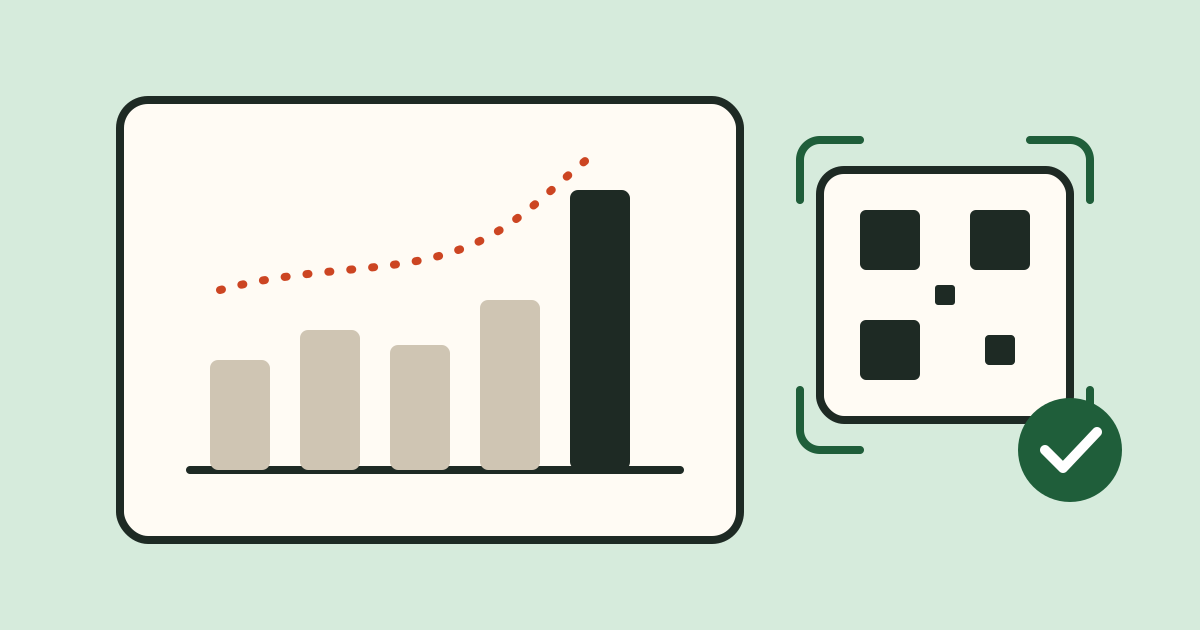
Their headline finding was that companies could boost profits by almost 100% by retaining just 5% more of their customers. The exact figure varied a lot by business, and their examples were banks, insurers and credit cards rather than restaurants. The principle carries over, though: as a customer’s relationship with a business lengthens, the profit it earns from them rises.
Why the maths works in hospitality
A returning guest is cheaper to bring in and easier to serve:
- You don’t pay to find them again. You already know they exist, and they already know where you are.
- They need less persuading. They’ve tried the food, met the team and found the toilets. The risk of a disappointing evening, which stops first-time guests from booking, has gone.
- They bring people. Regulars are the guests who suggest your venue when friends ask where to go, and arrive with someone who’s never been.
The trap: new guests who never come back
Chasing new guests without a plan to bring them back can quietly cost money. When Utpal Dholakia of Rice University surveyed 150 businesses that had run Groupon deals, about a third hadn’t made a profit from them. Among the unprofitable ones, only around 15% of deal customers came back for a second visit. Restaurants did worse than average: about 58% of the restaurants surveyed found their promotion profitable, against 82% of spas.
The lesson isn’t that promotions are bad. It’s that a promotion is only as good as its ability to turn a first visit into a second.
A worked example
These numbers are illustrative, not from a real venue. Picture a restaurant that does 40 covers on a typical Tuesday, with an average spend of £30 a head.
If something brings back just ten extra guests each Tuesday, guests who’d visited before and wouldn’t otherwise have come, that’s £300 more revenue a week. Over a year, it’s £15,600 of Tuesday trade the venue didn’t have, from guests it didn’t have to find.
Your numbers will differ. The point is that small, regular returns compound, and they land on the nights when an extra table matters most.
Making return visits happen on purpose
Repeat visits often get left to chance: guests come back if they remember to. A few things move the odds:
- Give them a reason to come back, not just a good time. A specific offer for a specific night is more likely to be used than a vague “see you soon”.
- Pick the nights. If an offer is valid any time, most of it will be spent on Friday, when you’d have been busy anyway.
- Keep in touch. A guest who has opted in to hear from you can be reminded. One who hasn’t is gone the moment they leave.
- Count what comes back. If you can’t see which offers were redeemed, you can’t tell what’s working.
That’s the thinking behind Clink. Guests play a quick game at the table, some win an offer for a night you choose, and every redemption is scanned, so you can see exactly which guests came back.
Sources
- Zero Defections: Quality Comes to Services (Harvard Business Review, 1990)Frederick F. Reichheld and W. Earl Sasser Jr., via Bain & Company
- Social coupons good for business?MIT Technology Review, on research by Utpal Dholakia, Rice University