Phones at the table: why shared beats solo
Research shows phones on the table make a meal out less enjoyable. The answer isn’t a ban: it’s shared play instead of solo scrolling.
Look around any restaurant and you’ll see it: a table of friends or a family, each person looking at their own screen. It’s become so normal that it’s easy to forget what it does to the evening.
What the research found
In 2018, researchers at the University of British Columbia published a study in the Journal of Experimental Social Psychology that tested this directly. More than 300 people went out for a meal with friends or family. Some were asked to keep their phones on the table, and others to put them away.
The results were clear. When phones were on the table, people felt more distracted and enjoyed their time together less, by about half a point on a seven-point scale. Phones also made people slightly more bored, which surprised the researchers. They had expected the opposite.
A second study, which surveyed more than 100 people five times a day for a week, found the same pattern in everyday life: face-to-face time was enjoyed less when people had been using their phones.
Why that matters to a venue
A guest who enjoyed their evening less is less likely to come back. If phones make time at the table feel more distracted and less fun, they are quietly eroding the experience you’ve worked to create.
But banning phones isn’t realistic, and guests wouldn’t thank you for it. Phones are how people pay, share photos, check on the babysitter and keep children calm. The question isn’t whether phones are at the table. It’s what they’re doing there.
Solo screens versus shared play
The UBC study looked at the kind of phone use most of us know: each person on their own screen, half-listening. That pulls people out of the table.
There’s a different kind of phone use: something the whole table does together. David Maister’s research on waiting found that solo waits feel longer than group waits. The same applies to how a table spends its time. A shared activity keeps attention on the people you came with. Solo scrolling takes it away.
Compare two tables waiting for food:
- Table one: four people, four phones, four separate feeds. The wait passes, but nobody remembers it.
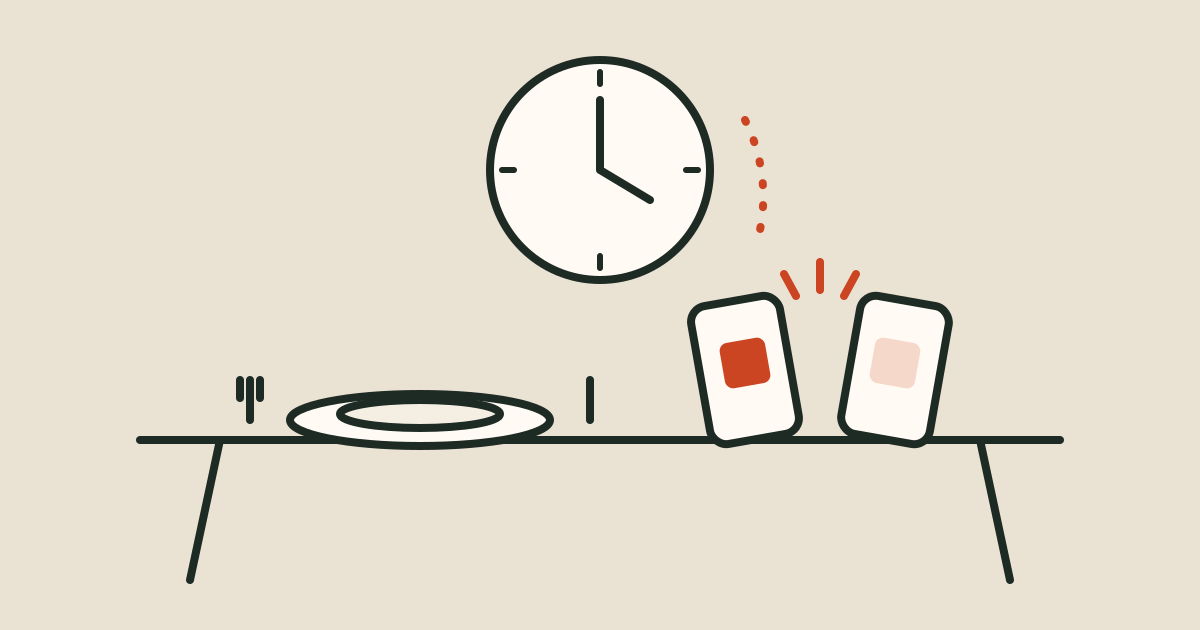
- Table two: four people playing a quick game together on their phones, laughing at the result. The wait passes, and it becomes part of the story of the evening.
Both tables are using phones. Only one of them is enjoying each other’s company.
Designing for the second table
If you want phones to add to the evening rather than subtract from it, look for things that are:
- Shared. Everyone at the table takes part together.
- Short. They fill a gap and then get out of the way.
- Social. The fun is in the reactions around the table, not on the screen.
- Yours. In your branding, so even screen time feels like part of your venue.
Where Clink fits
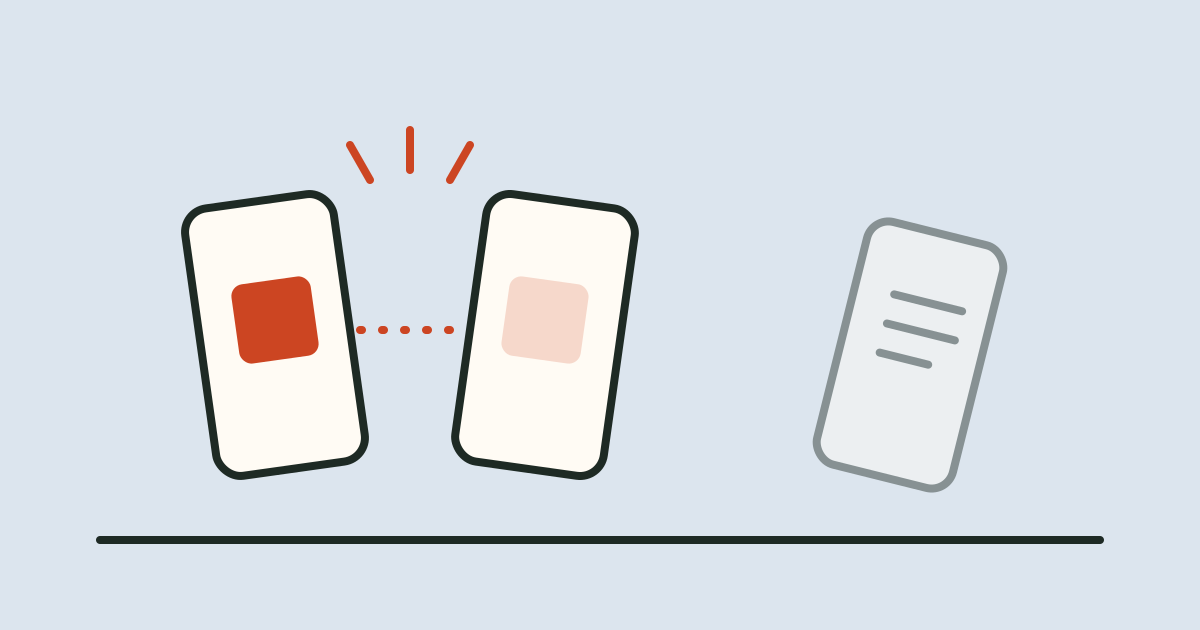
Clink’s games are built for table two. Guests pair their phones, play a quick round together and look up at each other for the result. Then the phones go down and the food arrives.
Sources
- Not enjoying your dinner out? Try putting the phone away (Journal of Experimental Social Psychology, 2018)University of British Columbia, via EurekAlert!
- The Psychology of Waiting Lines (1985)David H. Maister