Keep the kids happy and the whole family comes back
For parents, a meal out lives or dies on how the children cope with the wait. Venues that make that part easy earn the next family visit.
Ask parents what makes a meal out work, and the food is only part of the answer. The rest is whether the children enjoyed it, or at least got through it without a meltdown. That shapes whether the family comes back.
What families tell us
In 2022, Bidfood surveyed 1,000 UK children aged 7 to 14 and 1,000 parents about eating out. A few findings stand out for venues:
- Nearly seven in ten children say eating out is a treat they love.
- Three in ten parents say children getting bored is a key challenge when eating out.
- Two in five children would like more activities or things to do in restaurants.
- A child-friendly atmosphere was parents’ top priority when choosing where to eat.
So children arrive wanting to enjoy themselves, and boredom is what gets in the way. The venue that solves that problem becomes the one parents pick next time.
Where boredom strikes
For children, the hardest stretch is usually the wait between ordering and the food arriving. Adults can fill it with conversation. Children run out of patience much sooner.
David Maister’s research on waiting found that occupied time feels shorter than unoccupied time, and that uncertain waits feel longer than known ones. Both are doubly true for a seven-year-old who has no idea how long the pizza will be.
There’s often a second stretch at the end of the meal, while adults finish their drinks or wait for the bill. A bored child can cut that short, and with it the dessert and the coffee.
What works
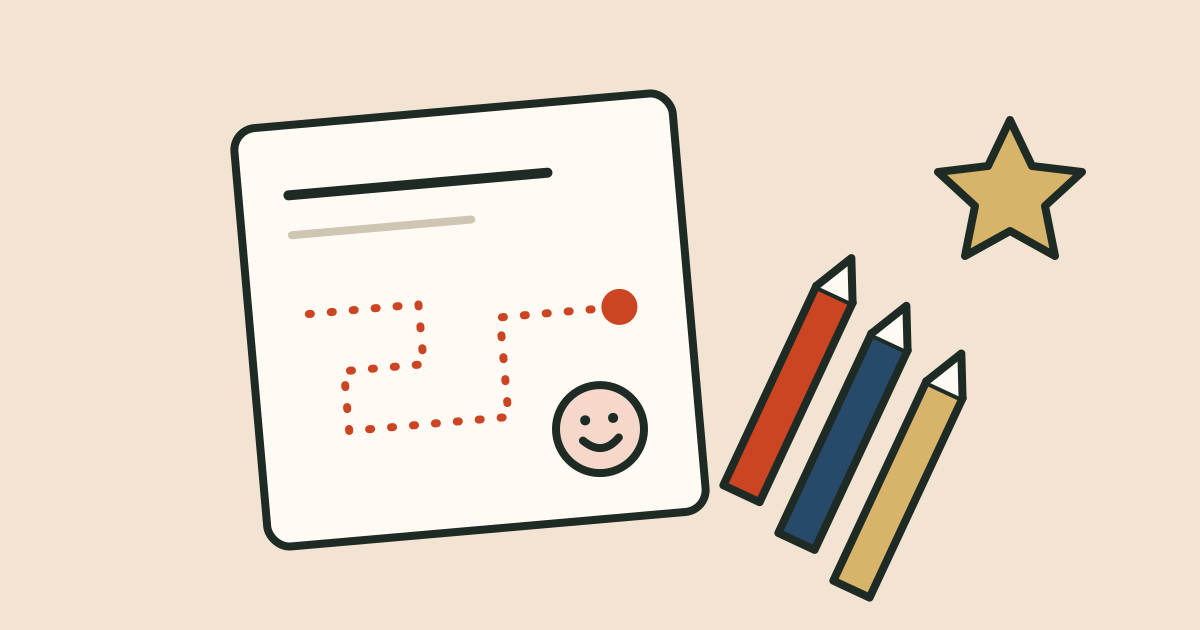
The classic answers are a colouring sheet and a pot of crayons. They still work, especially for younger children. But they have limits: they’re solo activities, older children grow out of them quickly, and they end up in the bin.
The things that work best tend to share a few features:
- They involve the table, not just the child. An activity a parent can join in turns a parenting job into a family moment.
- They’re quick. They fill the wait and stop when the food arrives, rather than competing with it.
- They suit a range of ages. A seven-year-old and a twelve-year-old at the same table both need to be interested.
- They feel like part of your venue. Branded or themed around your place, they become part of the memory of a good visit.
Earning the next family visit
A family that leaves happy is likely to come back. A family that leaves happy with a reason to return, such as an offer for a weekday after school, is even more likely to.
Weekday family offers suit most venues too, because the spare tables are usually there: early on weekday evenings, and during the school holidays.
Where Clink fits
Clink’s games are short, family-friendly and played together on phones at the table, so parents can play alongside their children rather than handing over a screen. Only adults can claim a prize or give an email address, and any prize can be set for the days you want families back.