January is tough. It’s also predictable.
Hospitality sales dip every January, for reasons that are easy to see coming. That makes it the easiest quiet period to plan for, starting in December.

“January is always a tough month for hospitality.” That was Karl Chessell of CGA by NIQ, commenting on the January 2026 figures. Nobody who runs a pub or restaurant would argue.
What the numbers say
The CGA RSM Hospitality Business Tracker follows like-for-like sales at Britain’s managed restaurant, pub and bar groups. Its last two Januaries tell the story:
- January 2025: sales fell 1.3% year on year, the weakest month since April 2024 and only the second fall since early 2022. Bars were down 10.2%. The reasons given were Dry January, cautious spending after Christmas and Storm Éowyn keeping people at home.
- January 2026: sales were roughly flat, down 0.1%, after a December when they had risen 2.9%. Pubs (up 0.4%) and restaurants (up 0.3%) held up, but bars fell 4.9%. The reasons given were the post-Christmas squeeze, wet weather and Dry January.
These are year-on-year comparisons, so they understate the drop from December’s peak. They also cover large managed groups. Independent venues, without the marketing budgets of the big chains, often feel January harder.
Dry January is mainstream
Alcohol Change UK’s research for January 2026 suggested that 32% of UK adults, around 17.5 million people, planned to take a month off alcohol. Not all of them will have stuck to it, and not all of them would have been in your venue anyway. But a third of adults planning to stay off the drink tells you how many guests are rethinking their nights out at the same time.
Dry January doesn’t have to mean empty tables. Plenty of people still want to see friends and eat out. They just need a reason that doesn’t revolve around the bar, and good alcohol-free options when they arrive.
Why predictable is good news
Most quiet periods are hard to plan for: a wet Wednesday, a strike, a big match on telly. January is different. You know it’s coming, you know roughly how deep the dip will be, and you know your December guests are the people most likely to come back.
That gives you a window. In December your venue is full of guests who are having a good time. In January a lot of them will be at home wondering where to go. The gap between the two is the opportunity.
A simple January plan
- Hand out the reason to return in December. Give guests something to use in January while they’re still in your building, not in a social post they may never see.
- Make it specific. “20% off Sunday lunch in January” is easier to act on than “come back soon”.
- Point it at your quietest days. If Mondays and Tuesdays are the hardest, make the offer valid then.
- Include the non-drinkers. An offer on food, or on alcohol-free drinks, works for the third of adults trying Dry January.
- Set an end date. An offer that runs out at the end of January gets used in January.
- Track redemptions. Count how many came back, so next December you know what to offer.
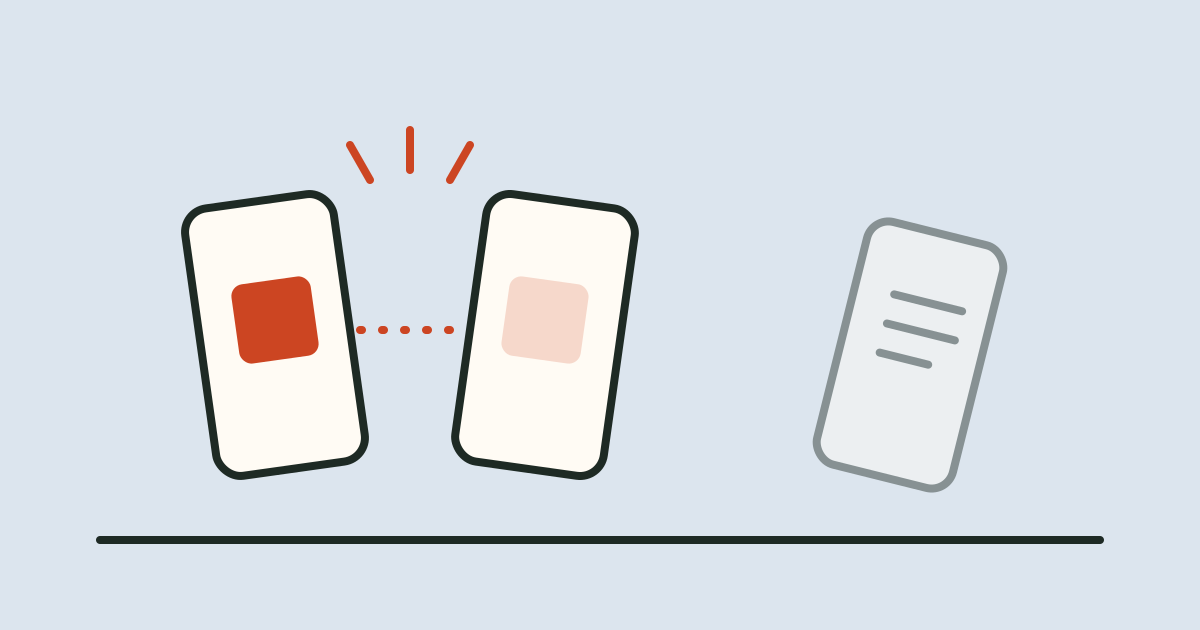
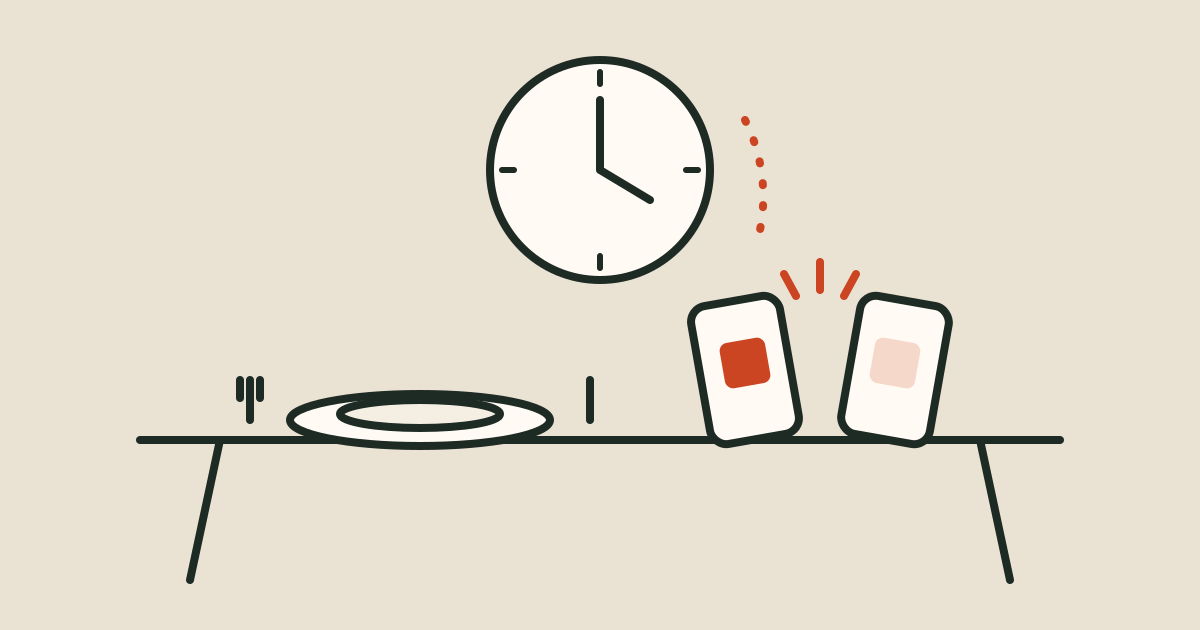
Clink’s Christmas cracker is built around exactly this. Guests pull a virtual cracker at the table in December, and some win an offer for the January days you choose.